Genius is Obsession
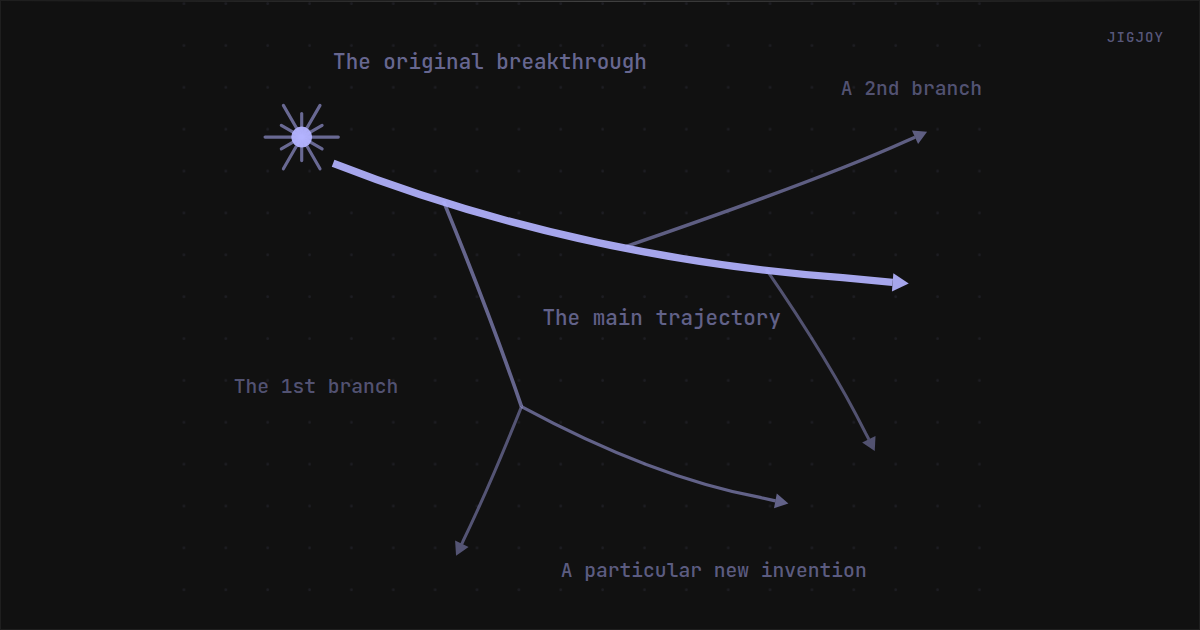
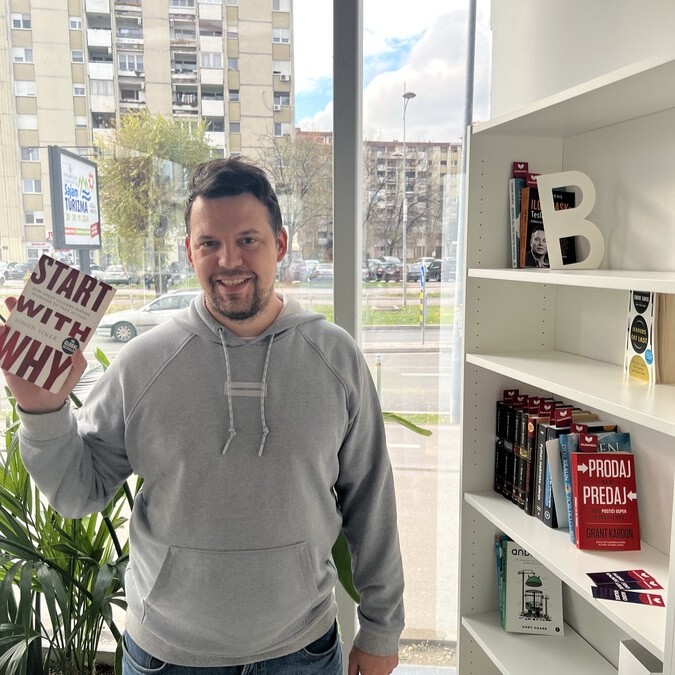
The guy with name Miodrag opened a book on a quiet evening. The Evolution of New Markets by Paul Geroski. Cars. Television. The internet. How categories are born before customers know how to ask for them.
The television was on in the background. Chris Eubank Sr — the flamboyant boxer, the man who spoke like every sentence was a proclamation — appeared on screen. He was talking about the night he fought Nigel Benn for the world title: how obsession had carried him into that ring, and what it had cost him to stay there.
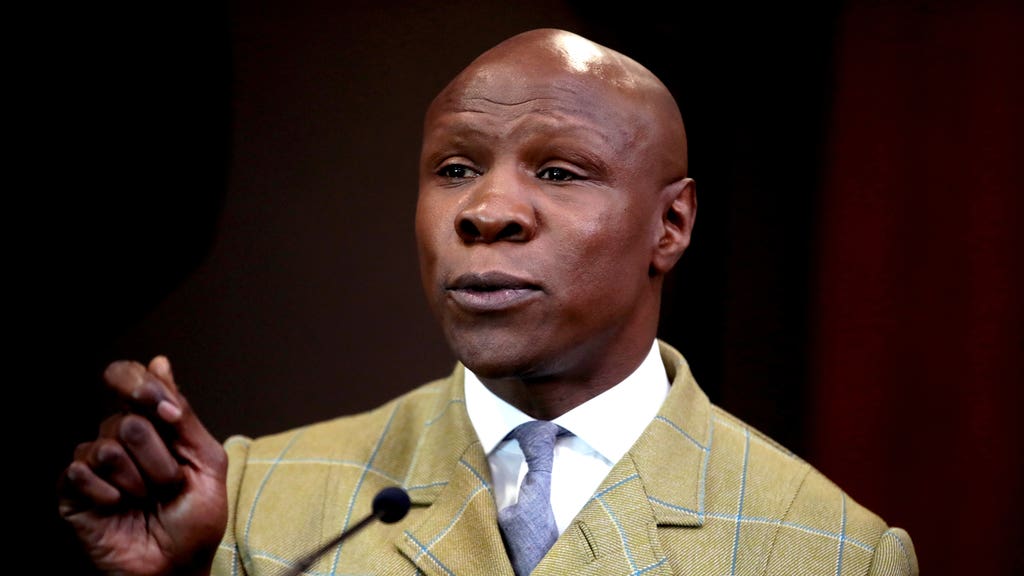
Chris Eubank Sr. - "Genius is obsession."
Genius is obsession!
He did not leave it there. Anyone can become a champion, Eubank said — the belt is not reserved for a chosen few. But talent alone is not enough. You have to activate your brilliance.
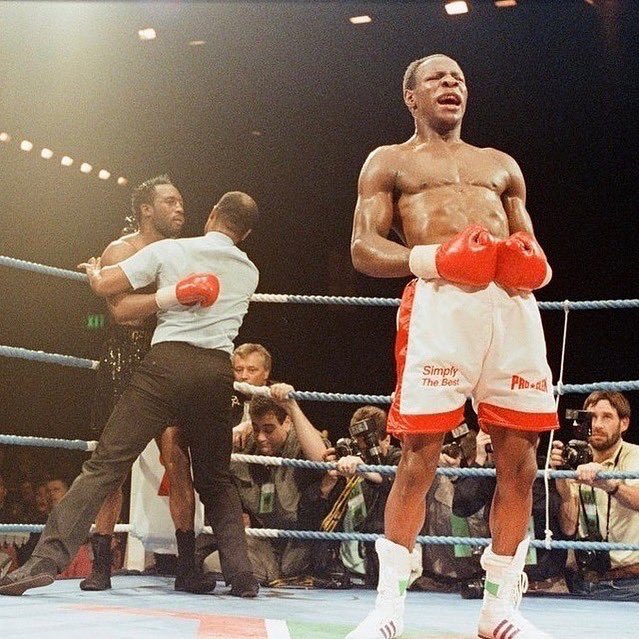
Chris Eubank Sr in the ring against Nigel Benn — "Activate your brilliance."
Miodrag looked back at the page. Geroski was writing about something called the dominant design — the moment a market stops wandering and converges. A shared shape. A shared understanding. The thing that wins not because it is perfect, but because everything else begins to orbit it.
That night, something locked into place.
The obsession
He did not simply finish the book. He began to live inside it.
Everywhere he looked, he saw technological trajectories — the competing paths Geroski described, the experiments that would mostly die, the few that might survive long enough to define a category. He watched AI the way Geroski watched cars and television: not as a product, but as a field still searching for its form.
LLMs had already become a dominant technological design. That much was clear. But the dominant design for how autonomous systems would be built, organized, and composed into something larger — that had not arrived yet.
And that was the gap he could not stop staring at.
Raising the bar
So he started building. A TypeScript runtime for autonomous agents. Not another wrapper. Not another chat interface. An environment — something that could hold abstraction the way a runtime holds programs.
Every time the system felt almost right, he raised the bar. Agents that could coordinate. Context that could persist. Architecture that did not collapse when the problem grew. Abstraction after abstraction — each one a little higher, a little cleaner, a little closer to the shape he believed the market would one day recognize.
He talked about it constantly. Dominant design. Trajectories. Convergence. To friends. To collaborators. To anyone who would listen and to people who would not. The bar was never high enough. The next level was always waiting.
The thin line
The world began to tell him to stop.
Too abstract. Too early. Too obsessed with a framework from a book most people had never heard of. Ship something simpler. Chase what the market is already asking for. Stop going deeper.
But Eubank’s words would not leave him. Genius is obsession. And Geroski had been clear: when demand is still inchoate, the people who wait for the market to speak clearly are the ones who arrive after the shape has already been decided.
So he went deeper.
Another layer of the runtime. Another trajectory to observe. Another night spent chasing the outline of a design that might not exist yet — or might already be forming under his hands, invisible until later.
Some nights he was sure he was close. Some mornings he wondered if the whole thing was a story he told himself to justify never stopping.
From the outside, it is hard to tell the difference.
Is he building the dominant design — or only becoming more fluent in his own obsession?
The book is still open. The television is quiet now. The runtime keeps growing.
And he has not stopped.
With tools and technology we already have, we can build much more valuable systems than most projects today. We can write software that is a pleasure to use and a pleasure to work on; software that doesn't box us in as it grows, but creates new opportunities and continues to add value for its owners.