Multi-Perspective Agentic Systems
Over the past year, I've been stuck in a loop of building, learning, and repeating. Somewhere in there, I started suspecting something uncomfortable - that AI agents, as built today, might replace us. But I quickly noticed what they're missing: perspective. Agents run sequentially - one has to finish before the next can start. It's the equivalent of what architects call a single vanishing point. Everything is drawn from one point of view.
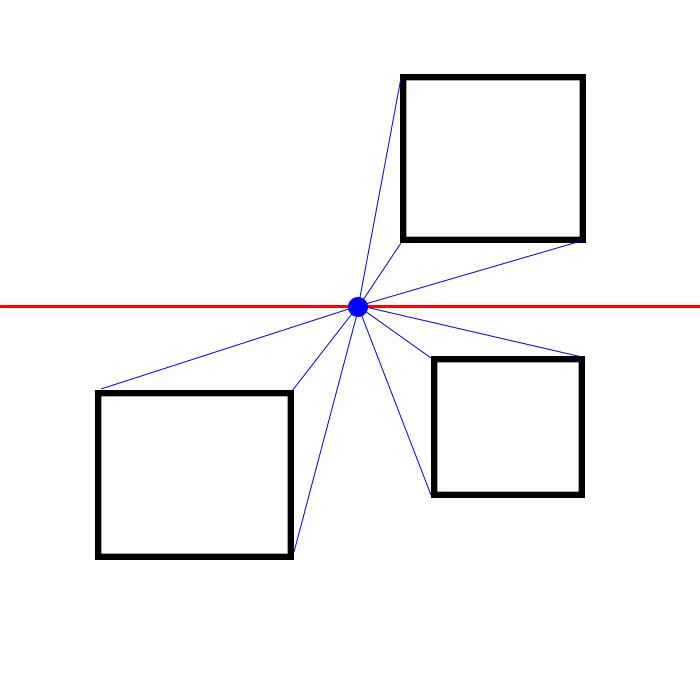
Perspective using single vanishing point
Even when they run in parallel, "subagents" stay completely isolated - unaware of each other or the environment they share. The vanishing point hasn't moved.
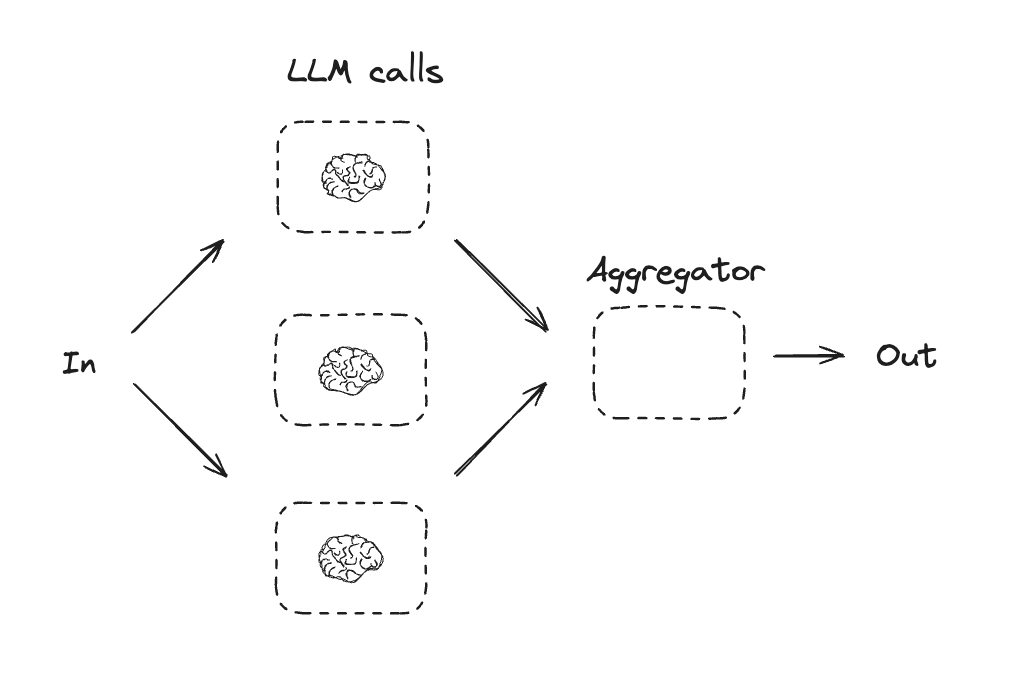
Parallelization in current agentic systems
This creates real limitations. The whole flow becomes one rigid chain - if it breaks midway, there's no graceful recovery. Latency piles up because agents wait on each other instead of doing work that doesn't actually block. It's hard to imagine the intelligent systems of the future being built this way.
So we asked ourselves - what if AI agents could behave more like humans? What if they could read their surroundings and react as things change? Then they could collaborate, surface multiple angles on the same problem, and add depth - just like multiple vanishing points do in a drawing.
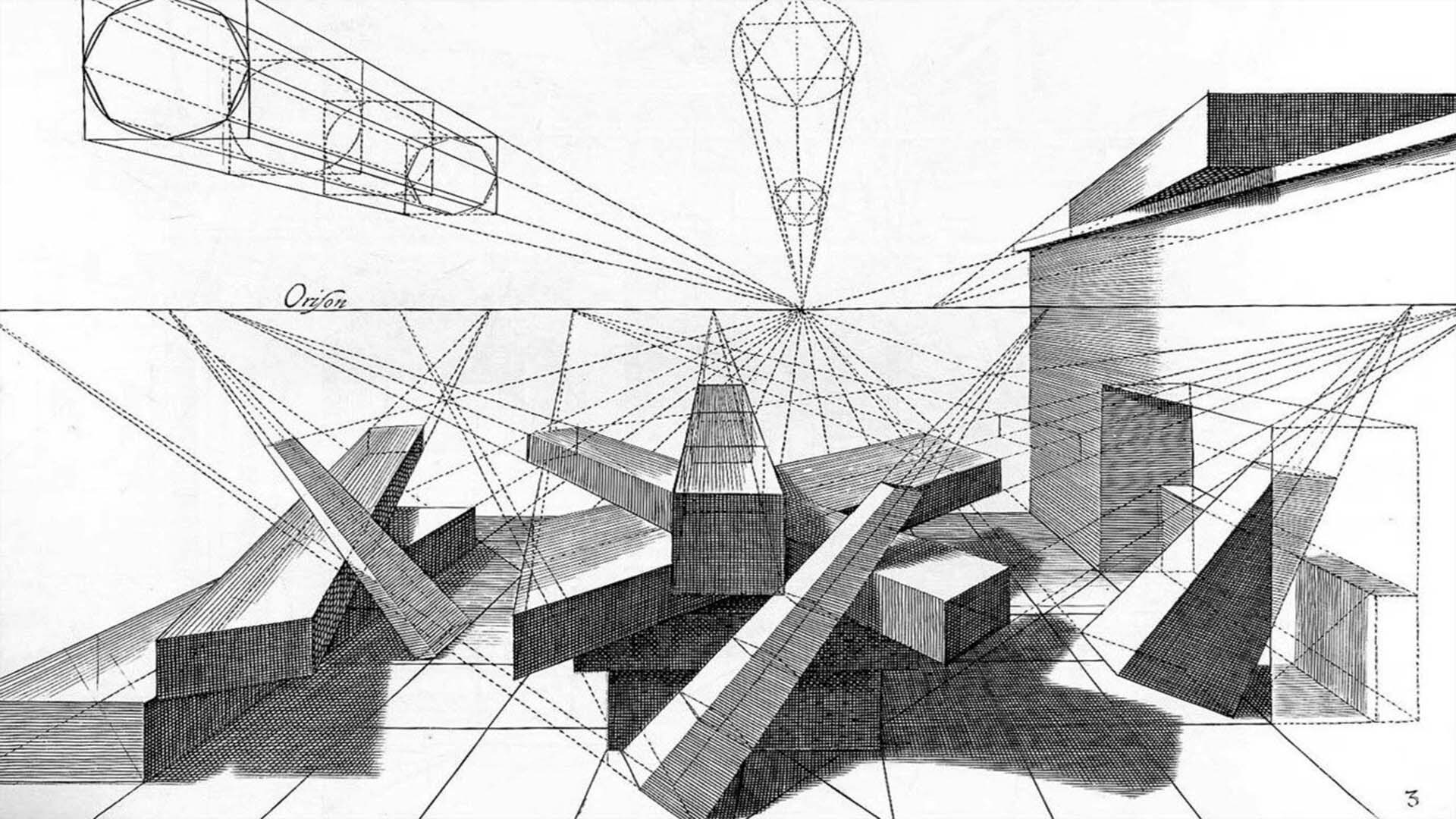
Perspective using multiple vanishing points
This shift also makes the inside of an agentic system visible - you can watch the interactions happen in real time.
Excited by what could emerge when agents truly exchange in a shared space, we started building a TypeScript framework for non-blocking AI agents. The core idea is to keep LLM providers fully isolated from the domain logic of the system. That loose coupling unlocks things like simulating or replaying an agent's run - without calling the LLM again.
Check out Mozaik, our TypeScript framework for non-blocking AI agents.
github.com/jigjoy-ai/mozaikInspiration for this article - and the perspective image used above - comes from Beyond the Basics: Advanced Techniques in Perspective Drawing, which explores single and multiple vanishing points in architectural drawing.

With tools and technology we already have, we can build much more valuable systems than most projects today. We can write software that is a pleasure to use and a pleasure to work on; software that doesn't box us in as it grows, but creates new opportunities and continues to add value for its owners.